 Drawn light
How to draw a gazelle this article provides a detailed description! Gazelles (Gazella) are a genus of mammals in the family Cervidae. Body length ranges from 85 to 170 cm, with a shoulder height of up to 110 cm; weight ranges from 12 to 85 kg. They have a light, slender build. Males are larger than females. The limbs are long and slender, with the hind limbs slightly longer than the forelimbs.
The head is small, and the eyes are large. There is a small tuft at the tip of the tail, and a white patch (“mirror”) at its base. The horns are lyre-shaped, rounded in cross-section, and larger in males than in females (in the gazelle, females are hornless). The coat is short and dense. The upper body is grayish-yellow or brownish; the underside is white. 12–16 species. They inhabit open, arid areas of Asia (except the Indian subcontinent), North Africa, and East Africa.
Typical inhabitants of deserts and steppes, they venture into dry forest-steppe regions; in the mountains, they ascend to altitudes of up to 3,500 meters. They feed on various herbaceous plants and graze on the leaves of trees and shrubs. When there is a sufficient supply of green, succulent forage, they can go without drinking water.
In this article, we’ll draw a gazelle in its natural habitat! They live in pairs or family groups. During the dry season or in the fall and winter, they gather in large herds (up to a hundred, sometimes up to a thousand animals), which in some areas undertake seasonal migrations.
They are active in the morning or evening; in the fall and winter, they are active during daylight hours. Mating occurs in the fall and early winter (in the tropics, this period is extended). The male occupies and defends a specific territory, to which the females come. Litters consist of 1–2 (rarely 3) young. Sexual maturity is reached at 1–1.5 years of age.
One of the most common Asian gazelle species is the jeran. Among African species, the Grant’s gazelle (Gazella granti) and the Thomson’s gazelle (Gazella Thomson) are the most numerous, forming large herds.
Gazelles are one of the most important components of open arid landscape ecosystems, significantly shaping the character of plant communities. Until recently, all gazelles served as an important source of meat for local populations.
Excessive hunting and landscape changes resulting from human economic activities have led to a significant decline in the populations of many species. The Saudi gazelle (Gazella Saudia) survives only in zoos.
Now let’s get started on drawing the gazelle!
How to draw a gazelle easy
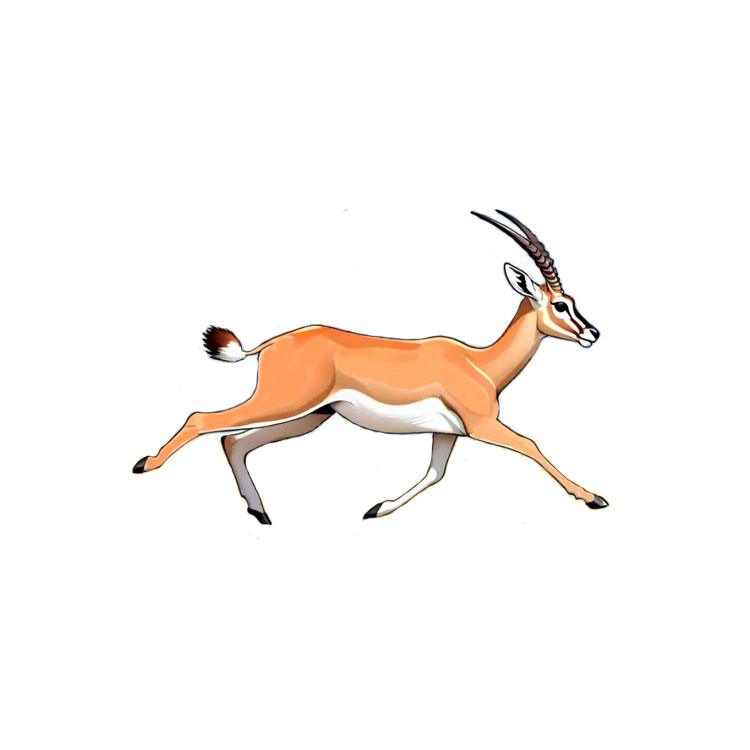
Step 1
To draw a gazelle successfully, you need to start with the head t o do this, draw a half-oval at an angle this will give us the outline of the muzzle!

Step 2
Next, we’ll sketch the outline of the upper forehead and the outline of the ear of our beloved gazelle!
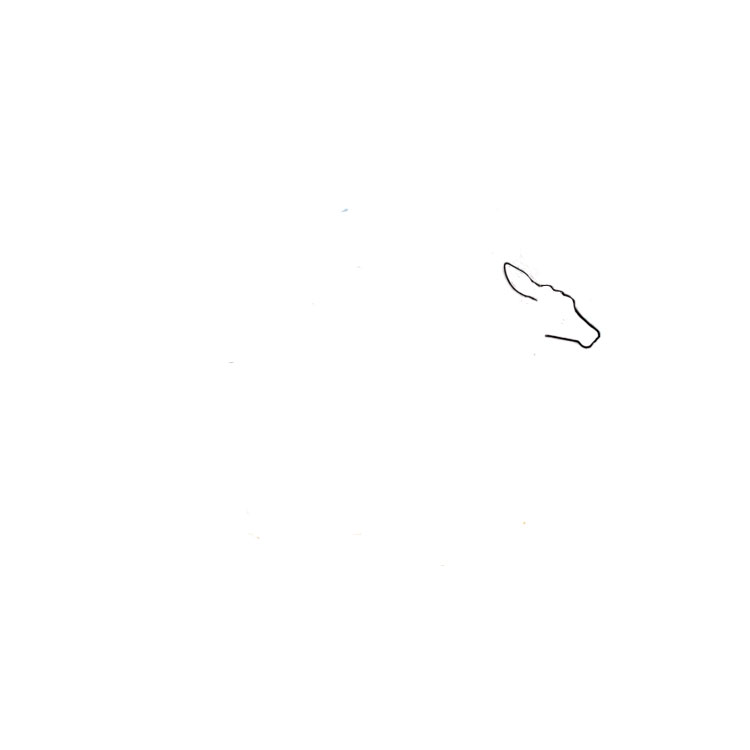
Step 3
In this step, we draw the horns and eyes—or rather, their outlines!
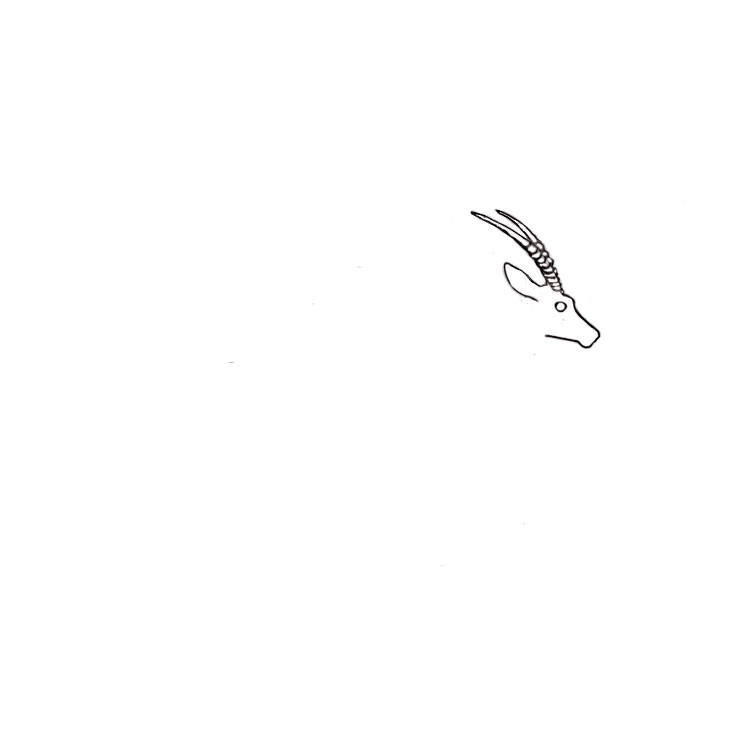
Step 4
Here we’re sketching the outline of the neck of our desert cloven-hoofed animal!
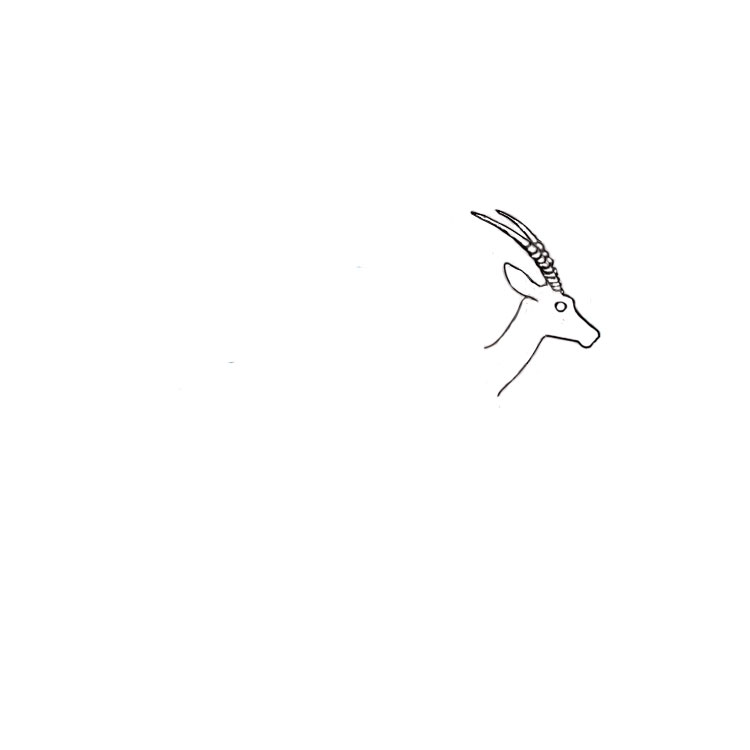
Step 5
And now it’s time to draw the central part of the body!
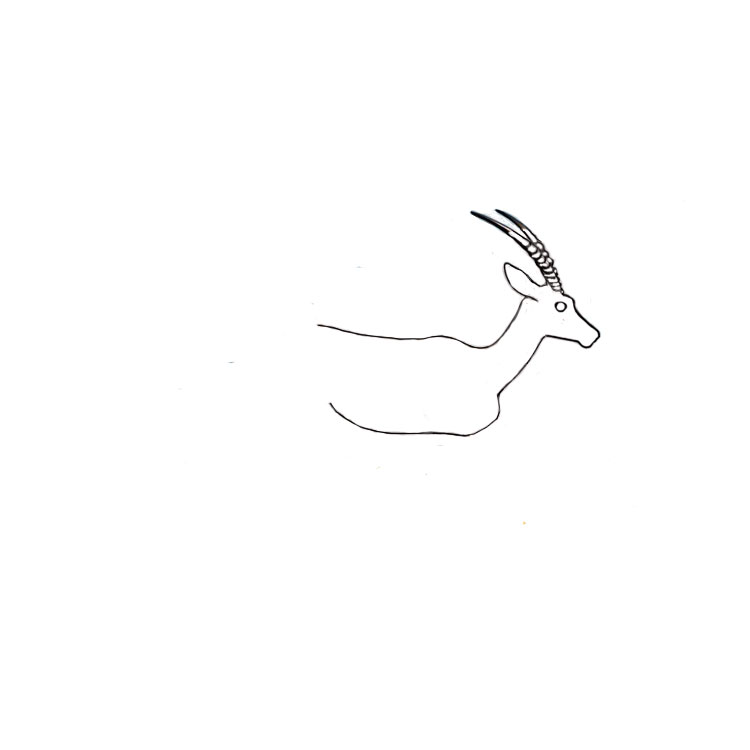
Step 6
Next, let’s sketch the outline of the back of the body!
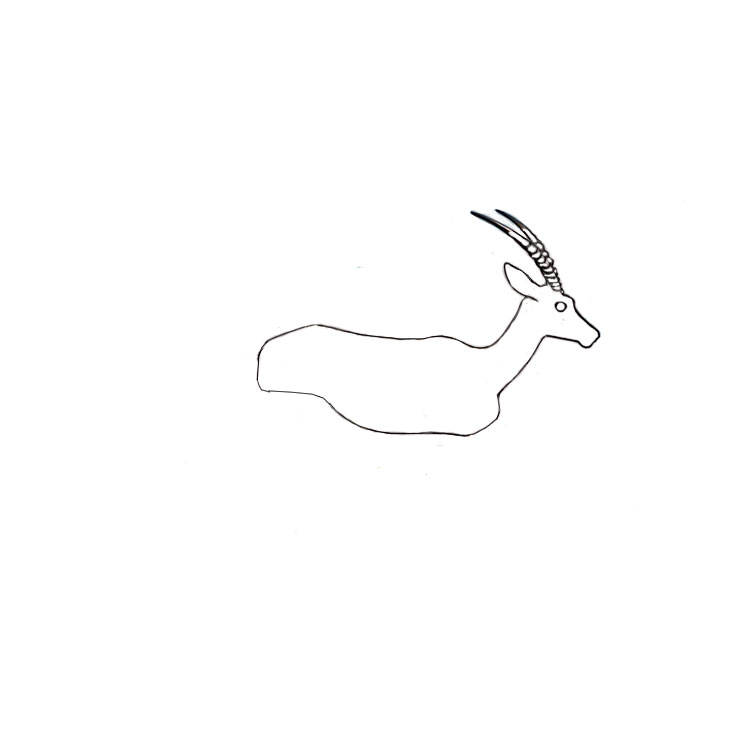
Step 7
Let’s just draw the hind legs of our gazelle!
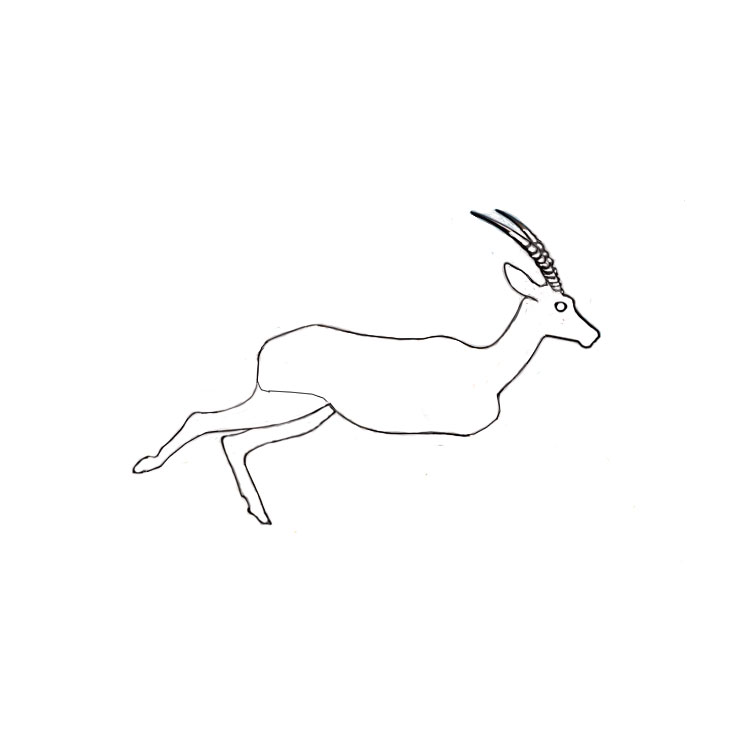
Step 8
We draw the front legs the same way!
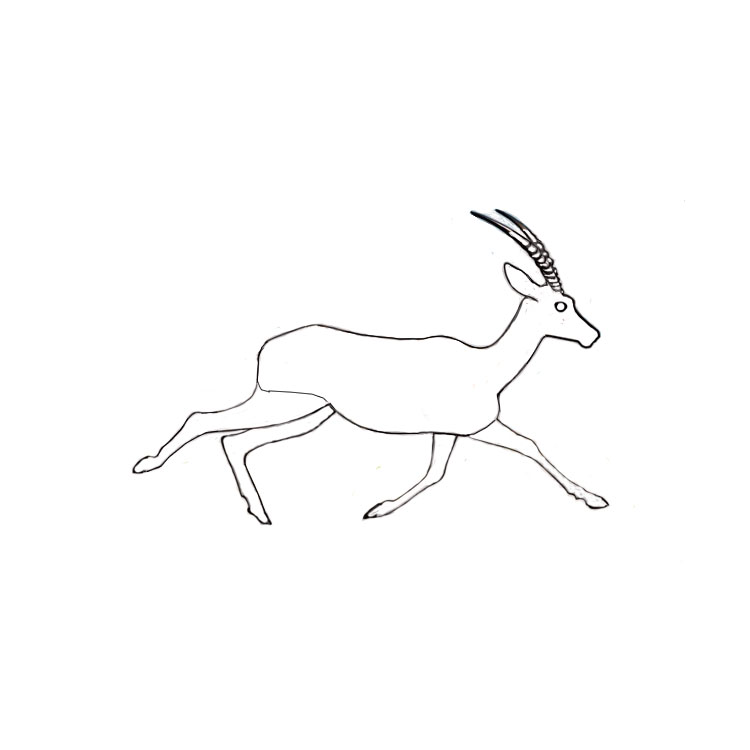
Step 9
Let’s remove the extra lines around the front and back legs and add the detailed outlines of the eyes and ears!
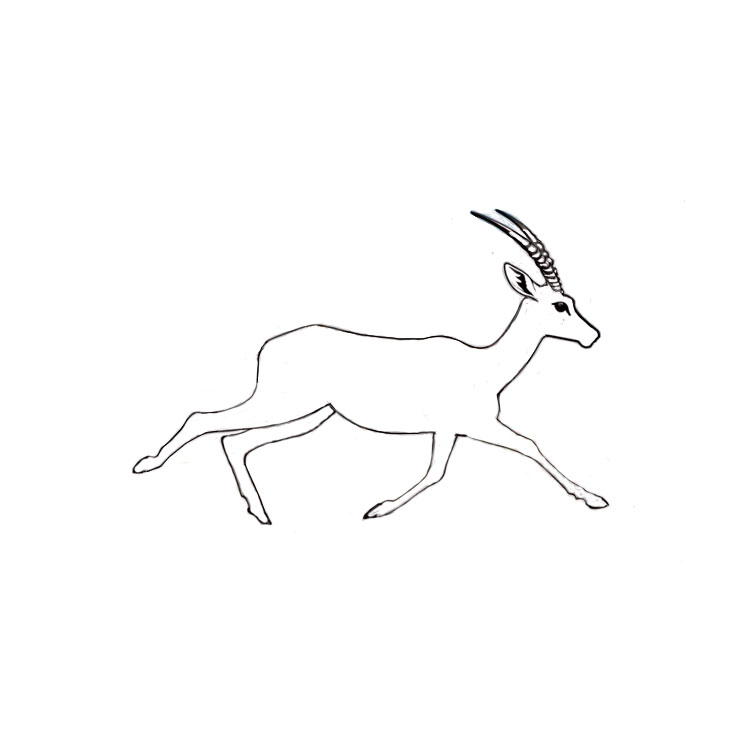
Step 10
Let’s start coloring the gazelle’s face in bright colors and finish drawing its tail!
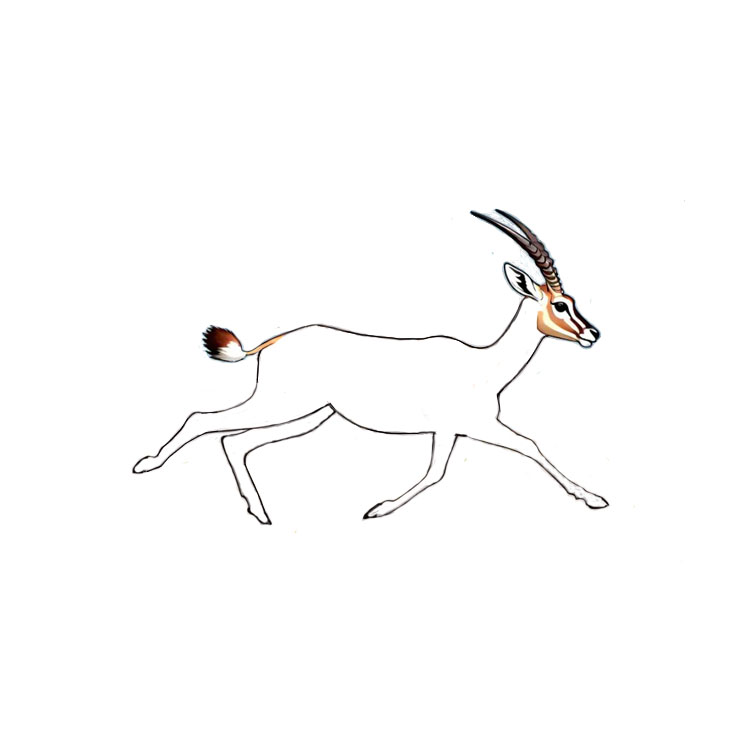
Step 11
In the same way, we paint the front part of the body in light brown tones
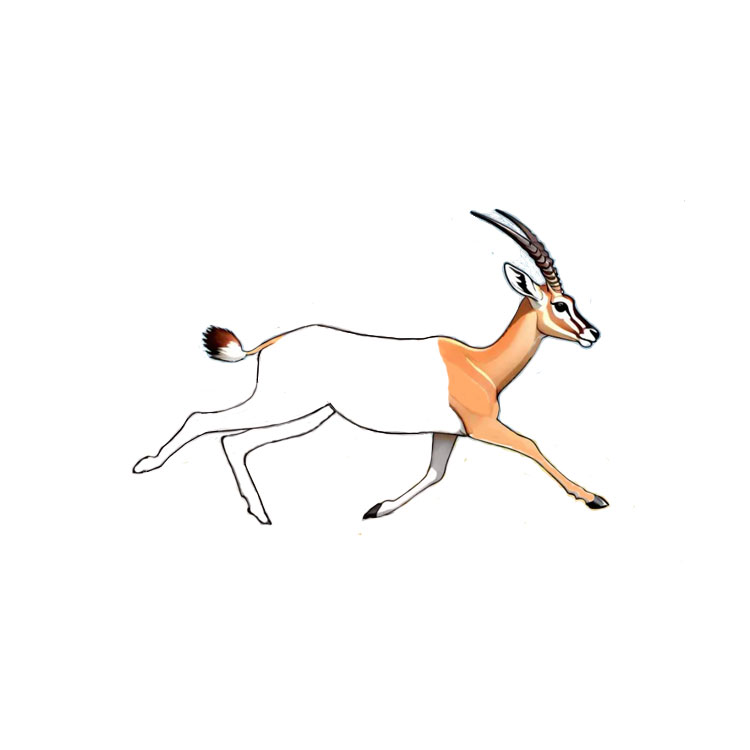
Step 12
And now let’s finish coloring the rest of the body in bright colors!