 Drawn light
How to Draw a Tank in will be described in this article! In modern warfare, tanks are one of the main types of combat vehicles, and until recently, they were the most common mechanized weapon on the planet. But how did people even come up with the idea of climbing into a huge metal box on tracks and going off to kill each other? Let’s try to figure it out.
The idea of creating mobile fortresses has been present in people’s minds since the first mass wars. First, there were chariots, then elephant-mounted battle towers, and later came the famous Wagenburgs, effectively used in the Hussite Wars. But all these carts were pulled by horses or elephants, which were extremely vulnerable and unpredictable.
Even back then, people began to consider self-propelled fire fortifications, and the famous Renaissance inventor Leonardo da Vinci couldn’t ignore the idea either. He designed a machine made of wood and steel, propelled by human power. It looked like a mushroom cap bristling with cannons. Of course, such a thing was impossible to create with 15th-century technology, and the project remained merely a fantasy. Incidentally, in 2009, American engineers did create a working Leonardo da Vinci tank for a popular science film.
Drawing a tank is no easy task, but we’ll show you a step-by-step guide to drawing one with minimal effort! The next stage, preceding the advent of tanks, was the tracked armored train of the Frenchman Édouard Bouillen. In 1874, he proposed placing several interconnected cars not on rails but on a common track, arming this monster with guns and providing it with a crew of 200. Although the project was rejected, the author himself believed that his invention would change the course of war. This happened later, though not with his combat vehicle.
With the advent of the first automobiles, the idea of using them in war became obvious to everyone. Therefore, even before World War I, almost all the armies of the leading powers had their own fleets of armored cars, and real armored trains were also in use. The disadvantages of these combat vehicles were natural. Armored cars are unable to navigate rough terrain or overcome obstacles and trenches, while armored trains are tied to rails. Therefore, when, during protracted battles, the armies of the opposing countries increasingly began to dig in, constructing kilometers-long anti-personnel barriers of mines and barbed wire, and using machine guns and shrapnel shells that literally mowed down advancing infantry, engineers realized something had to be done.
When, in 1915, British Colonel Ernest Swinton proposed using an armored vehicle on a tracked tractor chassis to cross trenches, Winston Churchill seized on the idea and created the Landships Committee, which urgently began research.
So let’s get started on drawing the tank right now!
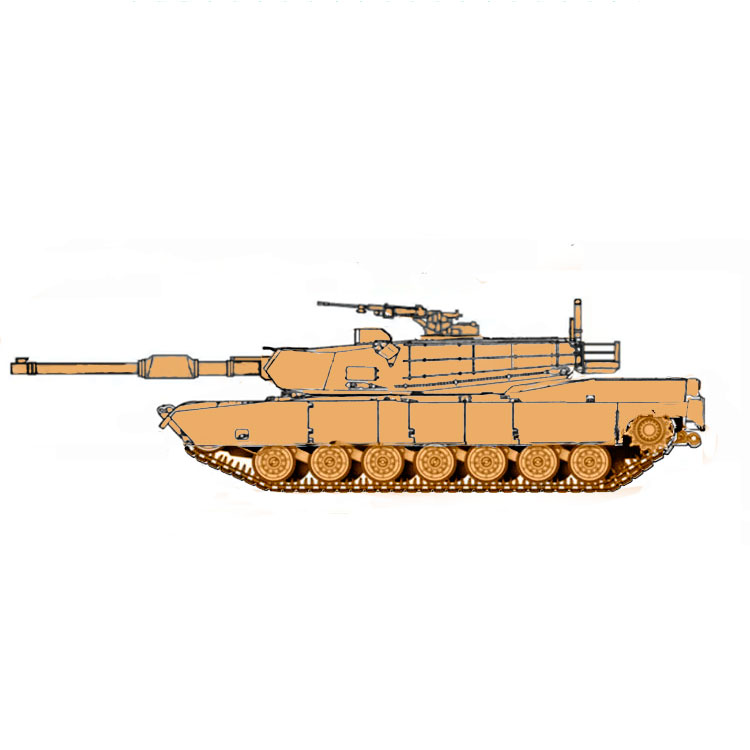
How to Draw a Tank Easy (option 1)
Step 1
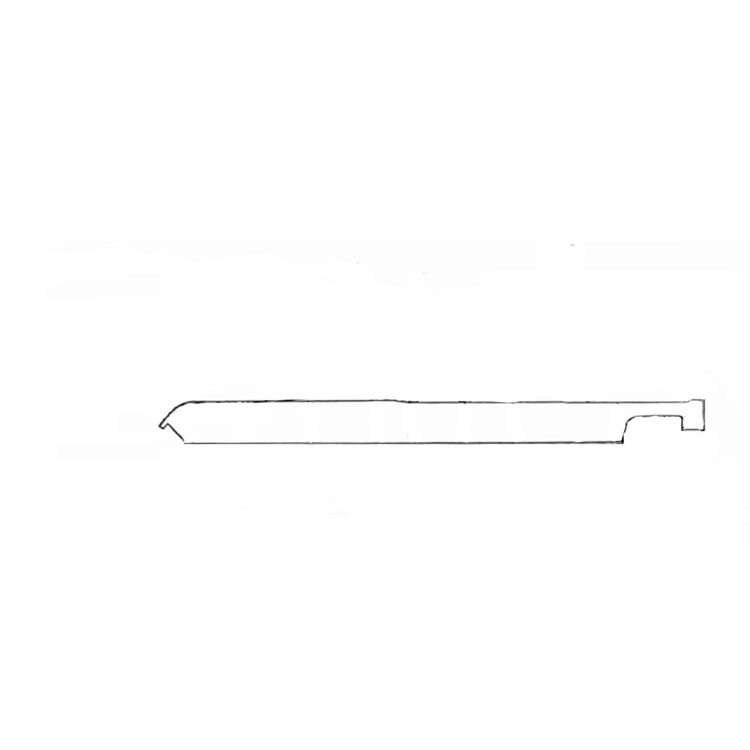
To successfully draw an Abrams tank, the first step is to draw a horizontal line!

Step 2
Next, we draw the outline of the upper part of the frame above the tank’s tracks!
Step 3
And in this step, we’ll sketch the outline of the tank’s rear hull!
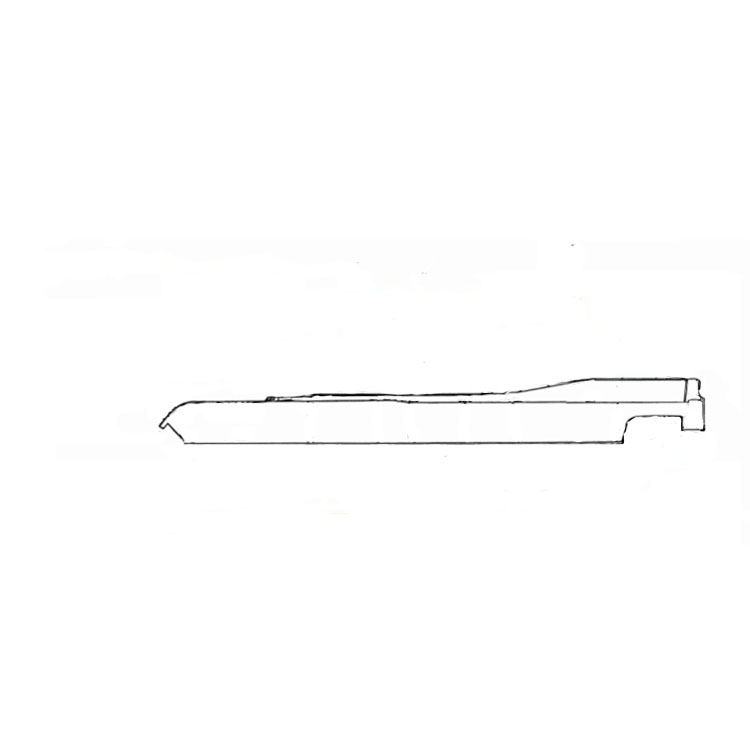
Step 4
Here we are building the central turret section of our combat vehicle!
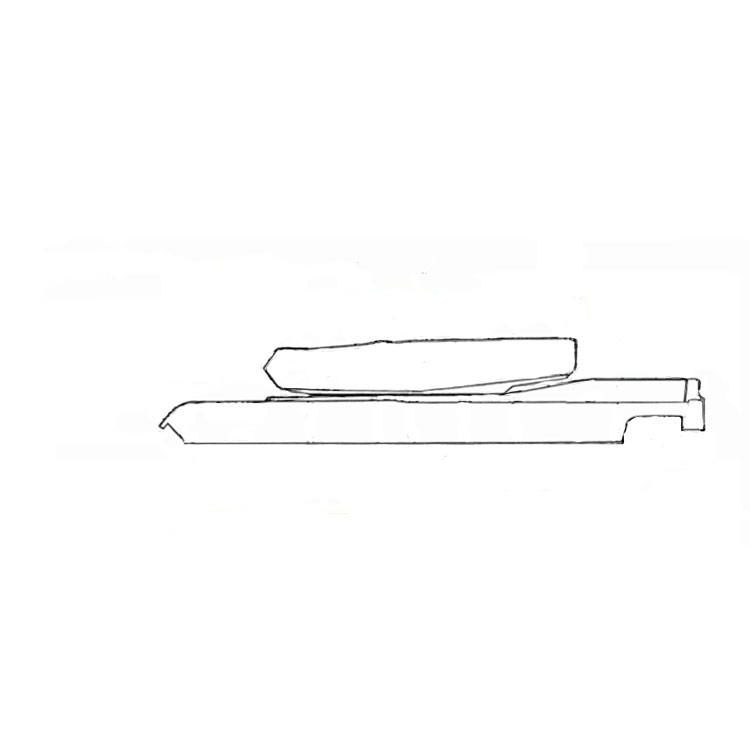
Step 5
And at this stage, we’re creating the outline of the Abrams tank’s muzzle!
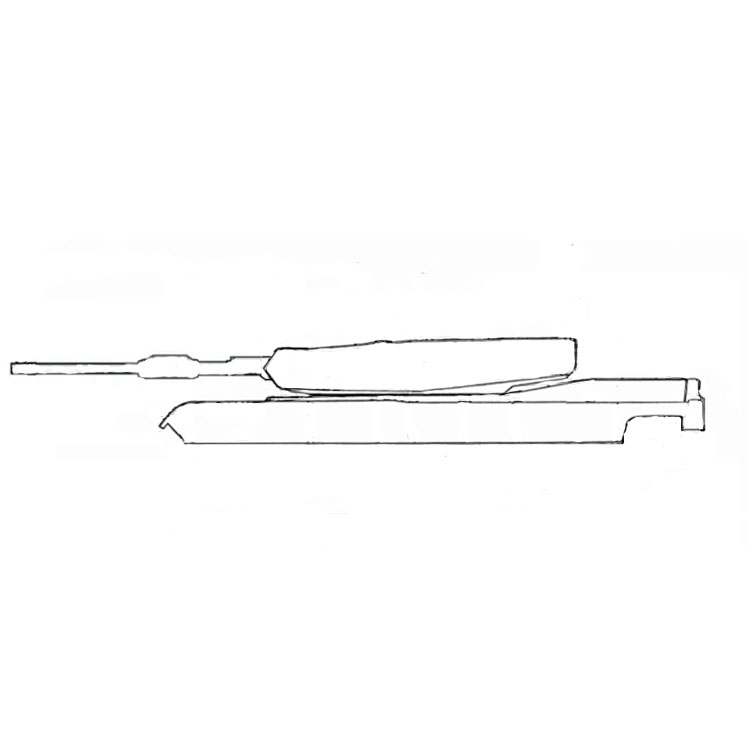
Step 6
Let’s sketch out the tracks and outline the circles—the tank’s road wheels!
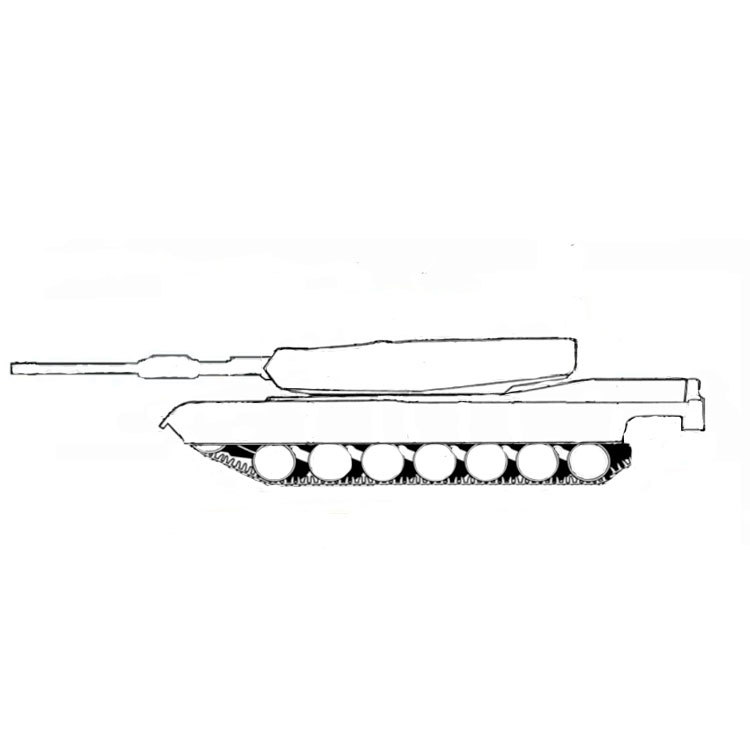
Step 7
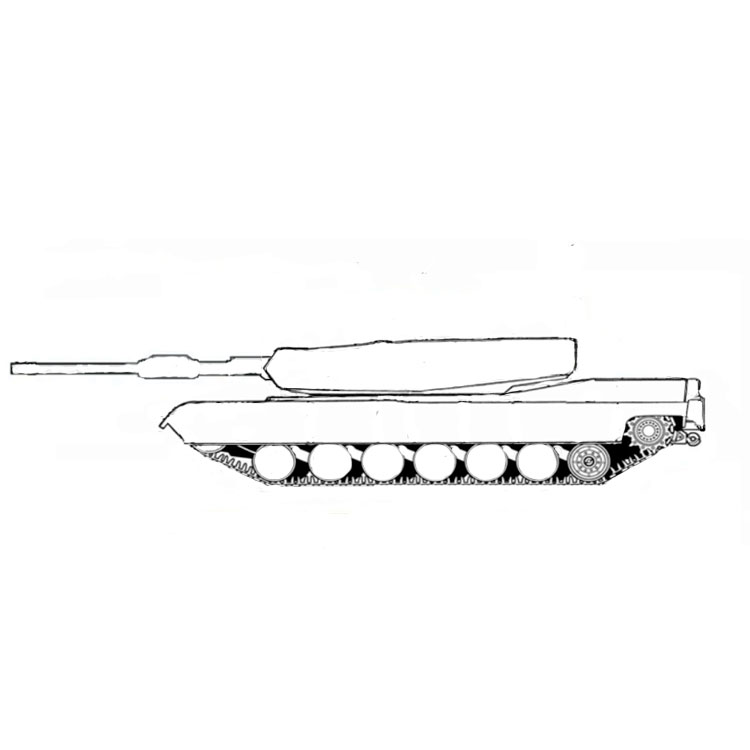
Next, we’ll draw the rear of the tank—this is where the drive sprockets in the tank’s track system are located
Step 8
Let’s add detail and darken the “wheels”—or, to be more precise, the tank’s tracks!

Step 9
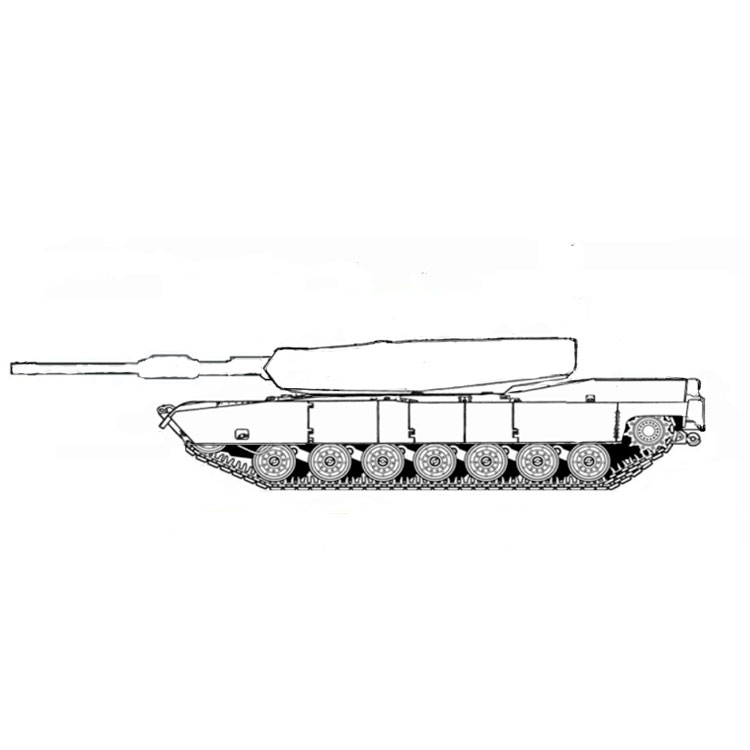
We’ll add detail to the central part of the tank in the same way—specifically, its hull!
Step 10
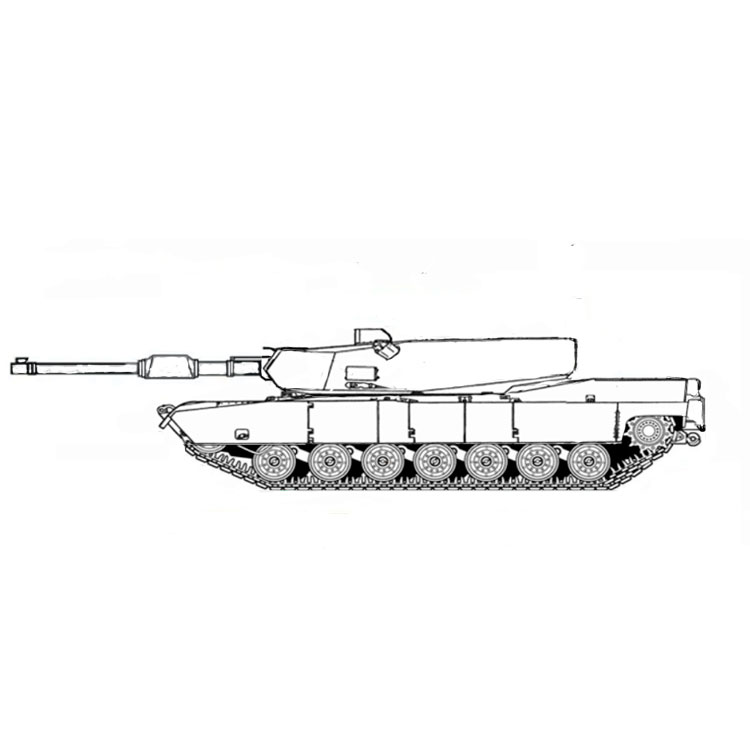
At this important stage of the drawing, we’ll also add detail to the front of the tank (its gun barrel and front armor)!
Step 11
In most cases, we depict the large-caliber 12.7-mm M2HB Browning machine gun mounted on a tank turret!

Step 12
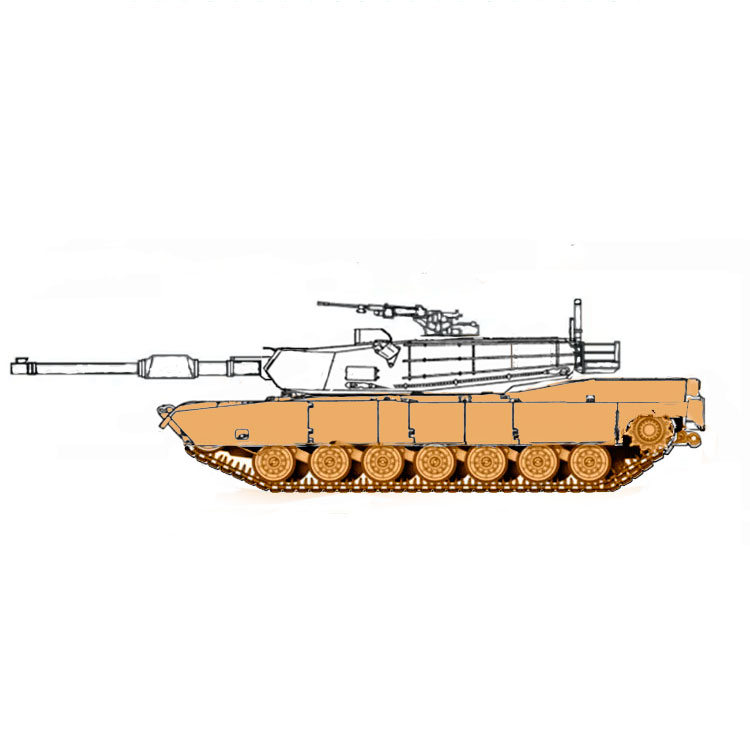
In the same way, we draw the so-called “tube”; in most cases, this is a snorkel (OPVT)—an external tube used to wade through water obstacles!

Step 13
Let’s start coloring the lower part of the tank in various bright colors!
Step 14
And now we’re finishing up by painting our favorite Abrams tank in camouflage colors!