 Drawn light
How to draw a heart will be told in this article! Despite the fact that the heart is only half a percent of the total body weight, it is the most important of the organs of the human body. It is the normal functioning of the heart muscle that makes it possible for all organs and systems to function properly.
The complex structure of the heart is best adapted for the distribution of arterial and venous blood flows. From the point of view of medicine, heart pathologies occupy the first place among human diseases. The heart is located in the thoracic cavity, in front of the sternum. The organ is displaced slightly to the left in relation to the sternum. It is located at the level of the sixth and eighth thoracic vertebrae.
A special serous membrane surrounds the heart. This sheath is called the pericardium. It forms a cavity called the pericardial cavity. Being in this cavity makes it easier for the organ to slide against other tissues and organs. From the point of view of the criteria of radiology, the following variants of the position of the heart muscle are distinguished:
It is as if suspended, with a shift of the left border to the midline -vertical.
Flattened on the underlying diaphragm – horizontal.
Variants of the position of the heart muscle depend on a person’s morphological constitution. In asthenics, it is vertical. In a normosthenic person, the heart is oblique, and in a hyperosthenic person, it is horizontal.
Drawing a heart is a fascinating and inspiring action that develops different parts of the brain. The act of drawing itself helps to develop a person in every way! The heart muscle is cone-shaped. The base of the organ is dilated and faces backward and upwards. The main vessels approach the base of the organ. The structure and function of the heart are inextricably linked.
The heart muscle has the following surfaces:
- Anterior, facing the sternum;
- Inferior, turned to the diaphragm;
- Lateral, facing the lungs.
On the cardiac muscle visualized furrows, reflecting the location of its internal cavities:
- The venous sulcus. It is located at the base of the heart muscle and is situated at the boundary of the ventricles and atria.
- Interventricular furrows. They run along the anterior and posterior surfaces of the organ, along the border between the ventricles.
The human heart muscle has four chambers. A transverse septum divides it into two cavities, each of which is divided into two chambers: atrial and ventricular. Venous blood circulates on the left side of the heart muscle, and arterial blood circulates on the right side.
The right atrium is a muscular cavity into which the superior and inferior vena cava open. In the upper part of the atria, a bulge, the auricle, is distinguished. The inner walls of the atrium are smooth except for the surface of the bulge. In the area of the transverse septum, which separates the atrial cavity from the ventricle, there is an oval fossa. It is completely closed.
In the intrauterine period, a window opened in its place, through which venous and arterial blood mixed in the lower part of the ventricular fossa.
Let’s get to drawing the heart immediately!
How to draw a heart easy
Step 1
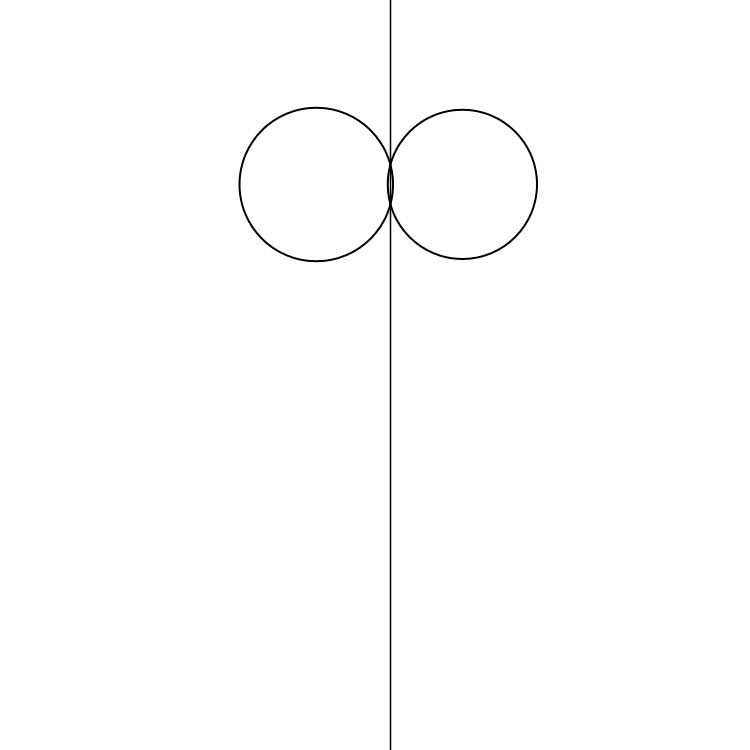
The first step in drawing our beautiful, smiling heart is to draw a vertical line! This vertical line serves as the foundation for drawing the two halves of the hearts!
Step 2
Next, at the top of our drawing, on either side, we draw two identical circles—either with a compass or freehand!
Step 3
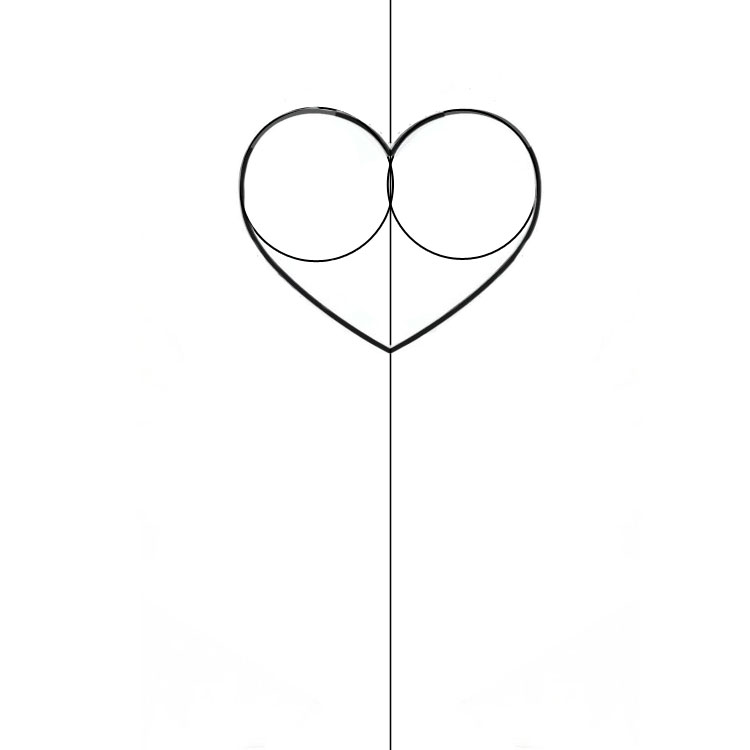
Let’s draw the outline of our heart using a vertical line and two circles as guides!
Step 4
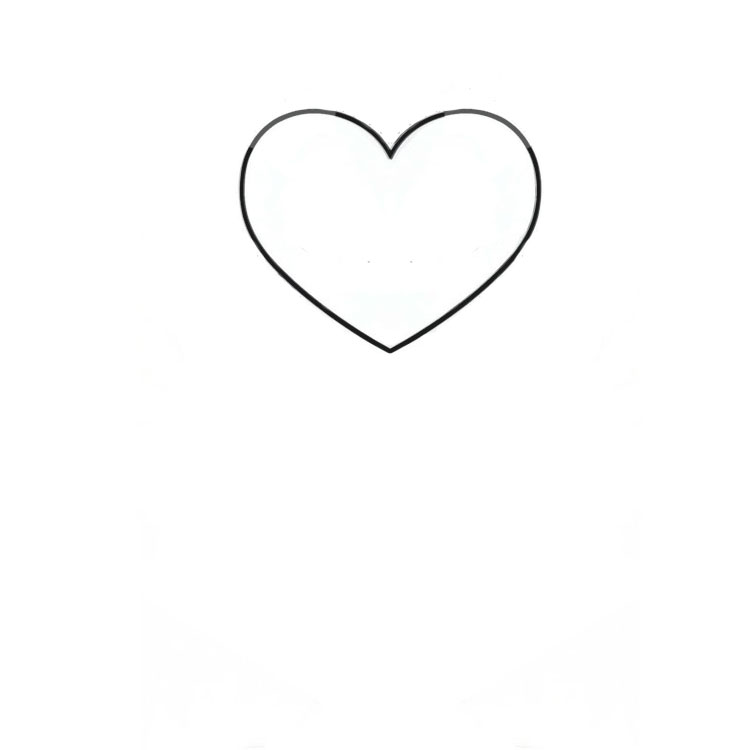
Here, we simply remove the guide lines and leave the outline of a single heart!
Step 5
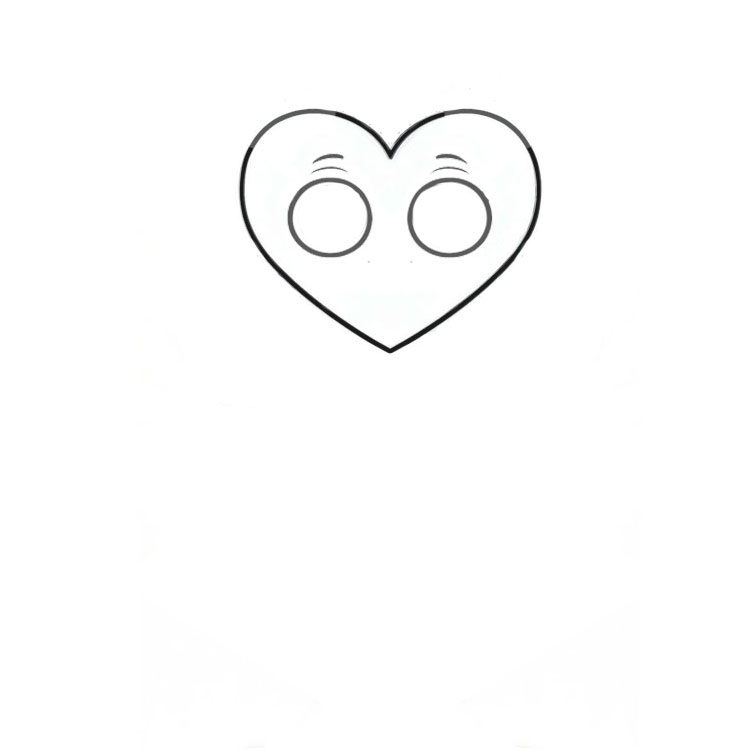
And at this stage of the drawing, we’ll draw two little circles—these will be the eyes of our smiling heart!
Step 6
Let’s add the detailed inner parts of the eyes and draw the outline of the mouth!
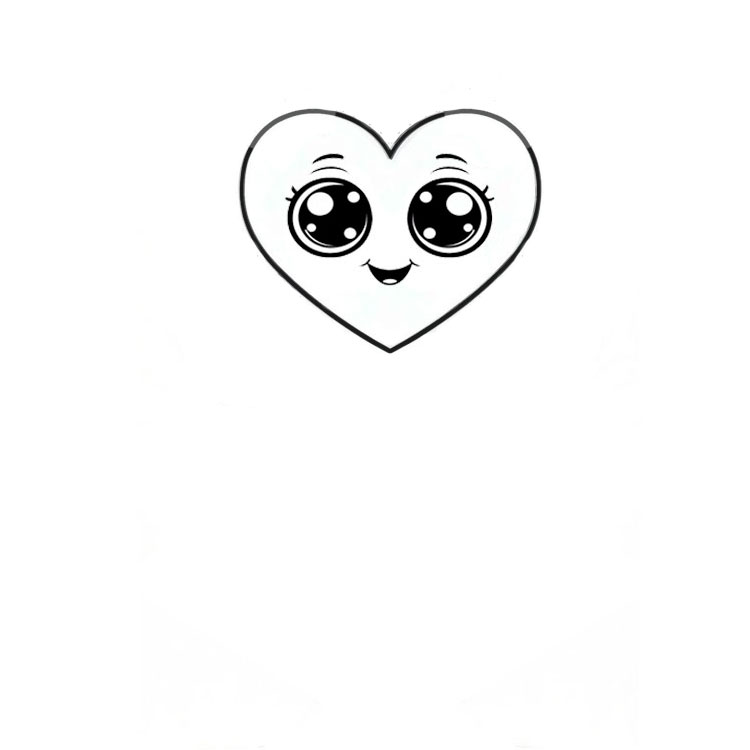
Step 7
In this step, we shade the side of our heart and draw something that looks like a little rose on the side of our drawing!
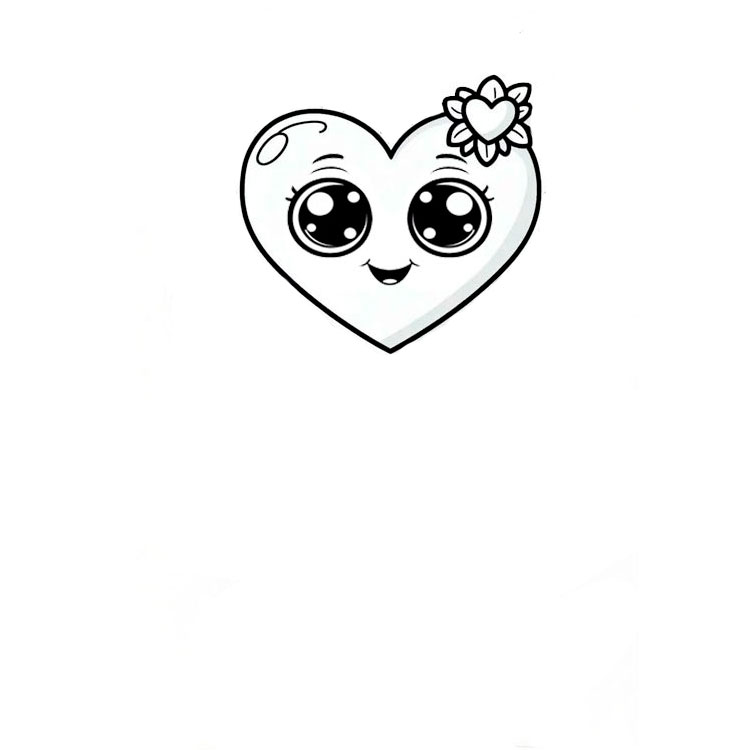
Step 8
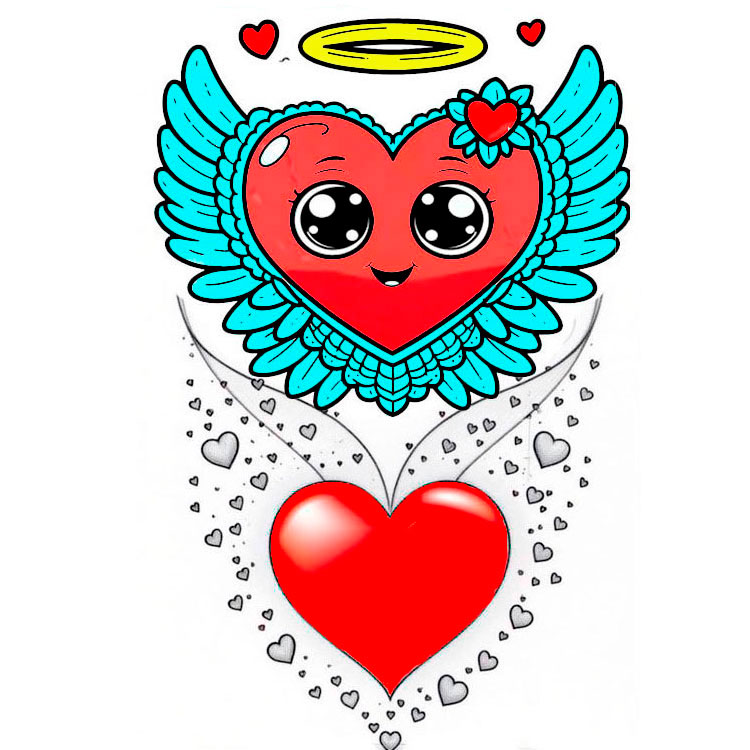
At this important stage of the drawing, we’ll create the outer outline of our drawing, as well as the shape of angel wings!
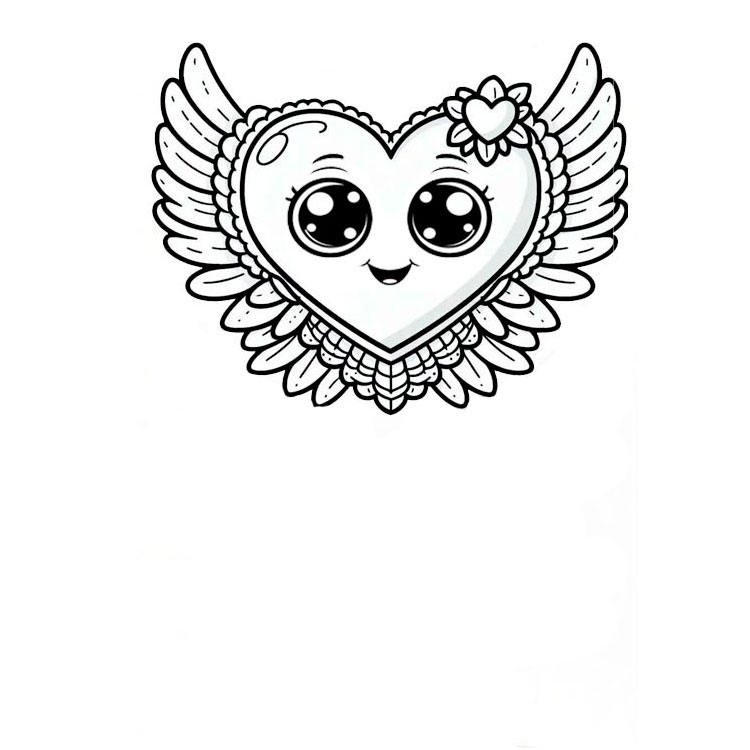
Step 9
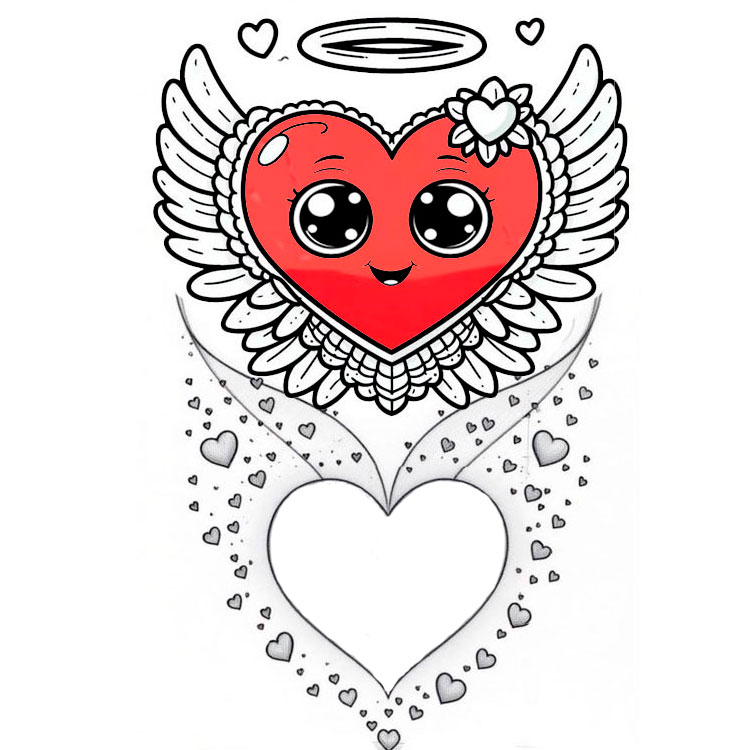
Let’s draw a pretty halo around our heart and sketch the outline of a second heart beneath the first one!
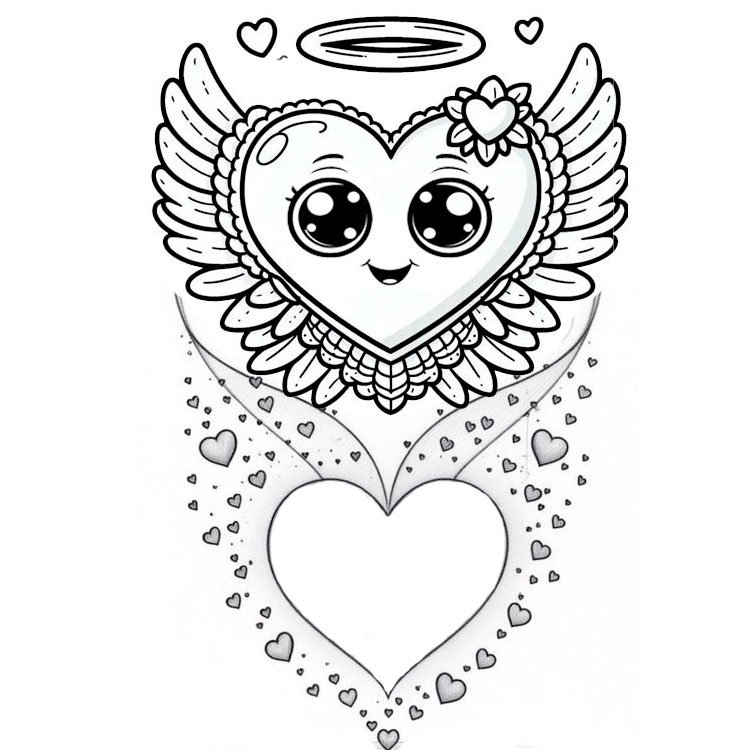
Step 10
Here, we’re simply coloring the main upper part of the heart in two shades of red!
Step 11
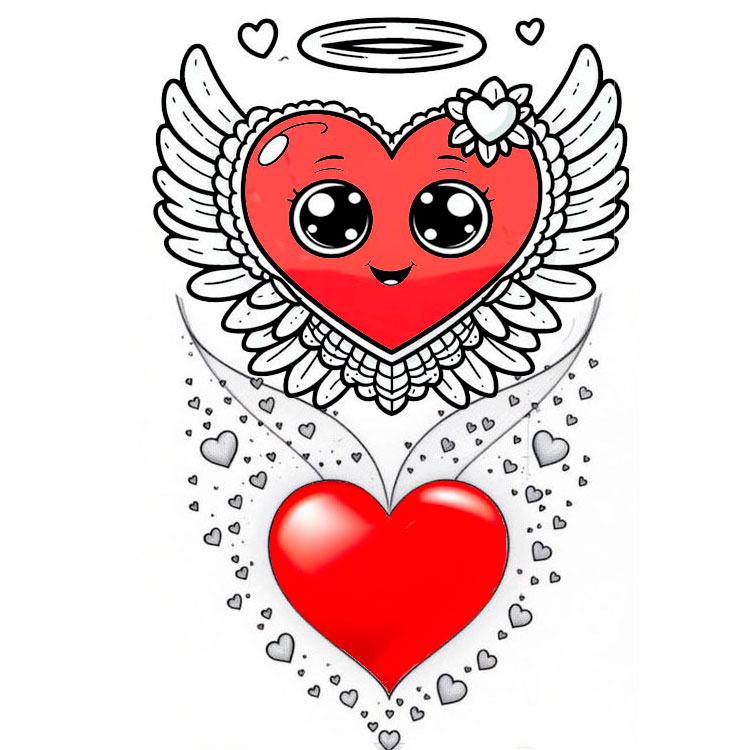
And in this step, we’ll simply color the bottom heart in various shades of red!
Step 12
And we’ll finish coloring our drawing by adding a touch of yellow to its halo and the two little hearts at the top!